
CALL OR CHAT 24/7 (702) 570-9287
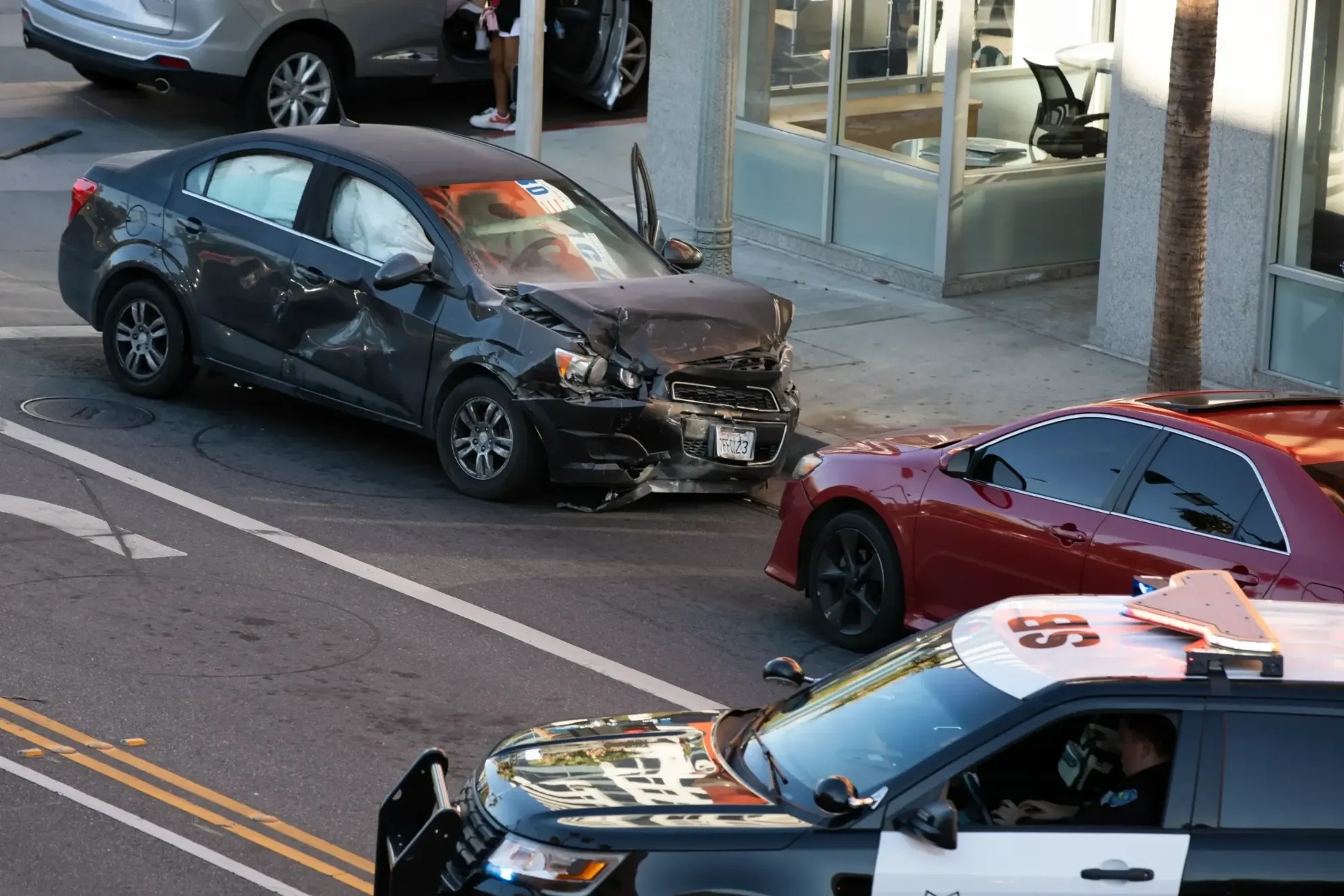
When is a Car Considered Totaled?
In Nevada, a vehicle is typically declared a total loss when the cost to repair it equals or exceeds its actual cash value. This means that if fixing your car would cost more than what it was worth before the crash, your insurance company will likely classify it as totaled.
If a negligent driver caused a car accident in Nevada, you may suddenly face questions about your damaged vehicle, your financial losses, and what steps to take next. When your car is severely damaged, or even totaled, you deserve clear answers and strong support.
How Do You Know if Your Vehicle is Totaled in a Nevada Car Crash?
After a Nevada car accident caused by a negligent driver, one of the first questions you may have is whether your vehicle is considered “totaled.” This determination is not based on emotion or inconvenience but on strict valuation rules that insurers follow.
How Insurance Companies Decide
To figure out whether your car is a total loss, the insurance company will compare the estimated repair costs to the car’s pre-accident value. You may see an adjuster inspecting the damage, reviewing market prices, and calculating replacement costs. If the numbers come back too high, the insurer will declare the vehicle totaled. It is important for you to know that you can ask how the insurer reached that number. You have the right to question their calculations, request documentation, or even present your own evidence of your vehicle’s value.
Signs Your Car May Be a Total Loss
Even before the insurance company completes its evaluation, there are signs that your vehicle might be totaled. If the frame is severely bent, if major safety components are destroyed, or if the engine or transmission is heavily damaged, your vehicle may be beyond practical repair. When the damage is this extensive, the cost of restoring the car often outweighs its worth.
What Is Actual Cash Value and How Is It Calculated?
When your vehicle is declared a total loss, the insurance company pays you its actual cash value (ACV) rather than what you originally paid. ACV represents your car’s fair market value immediately before the accident occurred. This amount factors in depreciation, wear and tear, mileage, and overall condition.
Insurance adjusters calculate ACV using several methods. They typically compare your vehicle to similar makes, models, and years sold recently in your geographic area. They’ll examine online listings, auction results, and industry databases like Kelley Blue Book or NADA Guides. The adjuster also considers your car’s specific condition, including previous damage, maintenance records, aftermarket modifications, and any pre-existing issues.
Depreciation significantly impacts ACV calculations. New cars lose approximately 20% of their value within the first year, with continued depreciation in subsequent years. High mileage, cosmetic damage, mechanical problems, and geographic location all reduce your vehicle’s value. Conversely, exceptional maintenance records, low mileage, or sought-after features may increase it.
You can request the adjuster’s valuation report, which should detail their methodology and comparable vehicle prices. Review this documentation carefully; errors in recording your car’s condition, features, or mileage can substantially affect your payout. If the ACV seems unreasonably low, your car accident attorney can present evidence of your vehicle’s true value before accepting the offer.
Can You Dispute a Total Loss Determination?
Yes, you have the right to challenge both the total loss determination itself and the actual cash value offered by the insurance company. If you believe your vehicle is repairable or that the settlement amount is insufficient, you’re not obligated to accept the initial assessment.
To strengthen your dispute, obtain an independent appraisal from a licensed automotive appraiser or certified mechanic. This professional assessment may reveal that repairs are more feasible than the insurer claimed or that your vehicle’s value exceeds their offer. Gather supporting evidence, including recent maintenance records, receipts for upgrades or improvements, and listings for comparable vehicles selling at higher prices in your area.
When disputes remain unresolved, additional options include filing a complaint with your state’s department of insurance, pursuing mediation, or consulting an attorney who handles insurance claim disputes. Document all communications with the insurer throughout this process, as detailed records strengthen your position if you need to escalate your claim.
What Happens After Your Car Is Declared Totaled?
Once your vehicle is officially totaled, several steps follow. The insurance company will make a settlement offer based on the actual cash value calculation. If you accept this offer, you’ll sign over your vehicle’s title to the insurer, who then takes possession of the totaled car. The settlement check typically arrives within several business days, though timing varies by insurer and state regulations.
If you’re injured in the accident that totaled your car, your injury claim is separate from the property damage settlement. Consult with a car accident attorney about pursuing compensation for medical expenses, lost wages, and pain and suffering.
Talk with Our Experienced Car Accident Lawyers at Hanratty Law Group
At Hanratty Law Group, we can pursue the compensation you deserve if your car is totaled in an accident due to someone else’s negligence.
For a free case evaluation and legal consultation with a knowledgeable car accident attorney, please call our office at (725) 223-0279 or contact us online right away.
We serve all areas in Las Vegas, Summerlin, and throughout Nevada.
Hanratty Law Group
1815 Village Center Cir #140
Las Vegas, NV 89134
Open 24 hours
Address
1815 Village Center Circle Ste 140
Las Vegas, NV 89134
Phone
(702) 570-9287

© 2026 Hanratty Law Group. All rights reserved. Las Vegas, NV.
